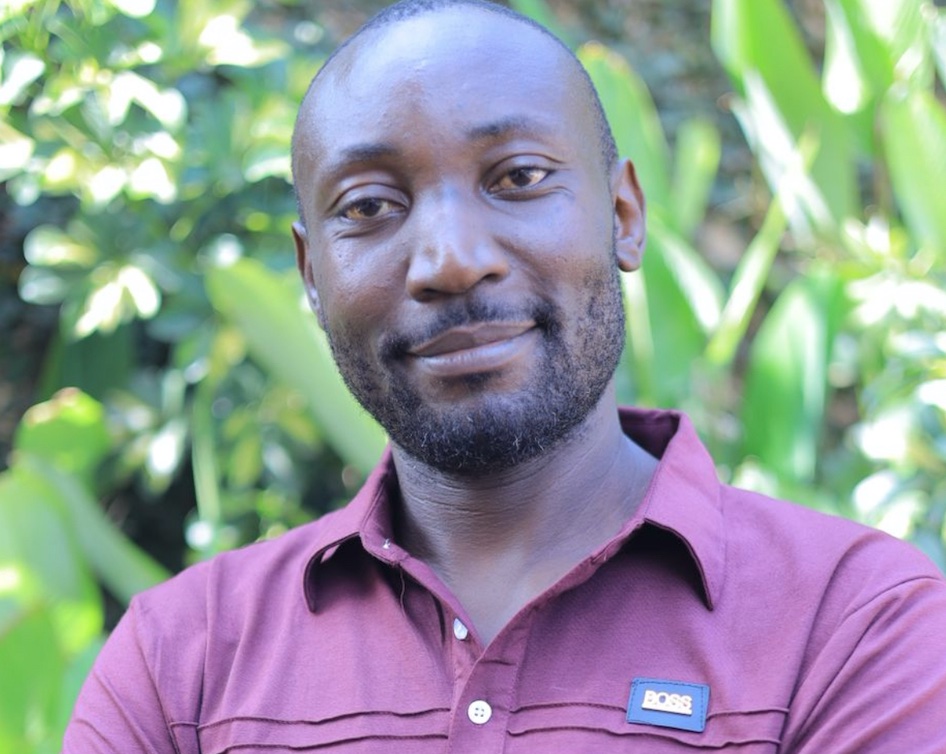
By Richard Kizza Lugobwa
LONDON. Radio drama, a potent blend of entertainment, education, and cultural preservation, has historically shaped societies worldwide.
In Uganda, its roots trace to the colonial era, when British authorities introduced radio broadcasts in the early 20th century. These early audio plays were not merely entertainment but tools of colonial control, designed to suppress local traditions, propagate foreign values, and mobilize communities for state-driven projects like commercial farming and bulungi bwansi (communal labor).
Post-independence in 1962, radio dramas retained their significance, evolving into a medium for nation-building under Uganda’s fledgling government. Despite the advent of television, radio’s affordability and reach ensured its dominance, particularly through the state-owned Radio Uganda (now the Uganda Broadcasting Corporation- UBC Radio), which monopolized airwaves until the 1990s.
For over three decades, Radio Uganda’s dramas, broadcast in languages like Luganda, Runyakitara, and Luo, became a cultural cornerstone. They addressed themes ranging from public health and civic duty to political awareness, resonating deeply with rural and urban audiences alike.
Among the most iconic was W’okulira (“He Who Cries”), written by Wycliffe Kiyingi. Airing for 20 years, it featured Kadiidi a witty everyman whose struggles and triumphs mirrored those of ordinary Ugandans. The show’s blend of humor and social commentary made it a national treasure, influencing attitudes on issues like HIV/AIDS prevention, gender roles, and civic responsibility.
The 1990s saw a seismic shift as Uganda liberalized its media landscape, allowing private radio stations like Capital FM, Radio Sanyu, CBS FM, Radio Simba, Radio One, and Kaboozi Ku Bbiri to emerge. These stations infused fresh energy into radio drama, producing locally resonant content.
For instance, Radio Simba’s Kooti Lutikko (a courtroom political satire) and CBS FM’s Akiika Embuga (a socio-political allegory) tackled corruption, governance, and cultural erosion, often with biting humor. These dramas cultivated loyal followings, bridging generational divides and sparking public discourse.
However, their success also drew scrutiny, particularly as Uganda’s political climate grew tense under President Museveni’s autocratic National Resistance Movement (NRM) regime.
By the mid-2000s, rising public dissatisfaction with the NRM government triggered a crackdown on media freedom. The Uganda Communications Commission (UCC), the state regulator, enforced draconian censorship laws, targeting content deemed “subversive” or critical of authorities.
Radio dramas, with their subtle allegories and mass appeal, were seen as threats. Stations faced fines, temporary closures, or license revocations if dramas allegedly “incited” audiences to demand accountability or protest injustices. For instance, CBS FM was shut down in 2009 after airing content linked to the 2009 Buganda Kingdom unrest, sending shockwaves through the industry.
Fearing financial ruin, private stations—dependent on advertising revenue—began phasing out dramas. Many replaced them with music, call-in shows, or neutral programming that avoided political themes. The loss of this creative space stifled not only artistic expression but also a vital channel for grassroots education.
By the 2010s, radio dramas had dwindled to sporadic NGO-sponsored campaigns, such as health initiatives or voter education drives, which rarely lasted beyond two years due to funding cycles.
Today, radio dramas survive primarily online, with activists and artists uploading politically charged audio plays to platforms like YouTube, Tik Tok and Facebook. Series like Tomorrow is Now, Gasimbagane ne Government (“Let Me Chat with the Government”) critique corruption and advocate for democratic reform.
However, internet access—hampered by high data costs and limited infrastructure—remains a luxury for most Ugandans, particularly in rural areas where radio once thrived.
Despite their decline, radio dramas’ legacy endures. They demonstrated the power of storytelling to unify, educate, and challenge power structures—a potential that persists even in a fractured media landscape.
Their demise underscores broader struggles: the tension between art and authoritarianism, the commodification of public airwaves, and the unmet promise of digital alternatives.
For Uganda to revive this medium, systemic reforms—from loosening censorship to investing in affordable internet—are essential. Until then, the echoes of Kadiidi and Kooti Lutikko serve as reminders of what was lost, and what could still be regained.
About the author

London: A Black Pride Haven
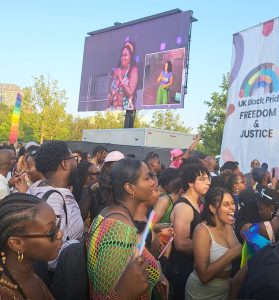
BY JAMES KABENGWA. LONDON. Queen Elizabeth Olympic Park was Sunday filled with the vibrant energy of UK Black Pride- celebrating its 20th anniversary. It brought together LGBTQ+ people of African, Asian, Caribbean, Latin American, and Middle Eastern descent joined by their other global enthusiasts and members. Among the thousands of attendees were many Ugandans who have found refuge and peace in the UK. For these individuals, the event was more than a celebration. It was a powerful act of defiance. It stood in stark contrast to the realities of their home country, Uganda, where a draconian Anti-Homosexuality Act was passed in 2023. This law includes severe penalties, with "aggravated homosexuality" punishable by death and other consensual same-sex acts by life imprisonment. The legislation criminalizes virtually every aspect of LGBTQ+ life, including advocacy and support for the community. Uganda is one […]
Uganda and Nigeria Forge Anti-Graft Alliance to Boost Trade
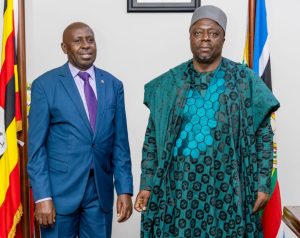
Nigeria’s High Commissioner to Uganda, Ambassador John Shama Shaga, has met with the head of the State House Anti-Corruption Unit, Brig Gen Henry Isoke, to discuss a joint effort to combat fraud. The collaboration is aimed at creating a safer investment environment and boosting bilateral trade between the two nations, particularly under the African Continental Free Trade Area.

Three Charged in Cattle Compensation Scandal
KAMPALA. Three suspects, including a politician and a UPDF soldier, have been charged with the theft of over UGX 1.5 billion from a government cattle compensation program in Uganda's Otuke District. The State House Anti-Corruption Unit (SHACU) announced the arraignment of the trio before the Otuke Magistrate’s Court following a joint investigation with the CID and the Office of the Director of Public Prosecutions (ODPP). The accused are identified as Akasa Jimmy Mokili, a politician; Okengo Jaspher, an LCIII Chairperson; and Sgt. Amoni Benz of the UPDF. According to reports from the Daily Secrets, this is part of a larger criminal scheme targeting vulnerable, often elderly, beneficiaries who lost livestock during the LRA insurgency and Karamoja cattle raids. The conspirators allegedly manipulated the bank account registration process, gaining access to victims' funds and either stealing the money outright or giving […]
Uganda Election Turmoil Looms: Warnings Abound
By RICHARD KIZZA LUGOBWA LONDON - As Uganda approaches the 2026 general elections, concerns over the integrity of the electoral process are intensifying following widespread malpractice during the ruling National Resistance Movement (NRM) party primaries last month. The primaries, held to select party flagbearers for parliamentary and local government positions, were marred by irregularities triggering a wave of concern across the political and civic landscape. Critics, civil society organizations, opposition politicians and observers fear that the widespread irregularities are a warning sign of deeper systemic electoral failures that undermine the credibility of next year's national polls likely to plunge the country into political turmoil. Multiple reports from civil society organizations, independent monitors, and local media have documented instances of ballot stuffing, partisan behavior by state institutions, voter intimidation, bribery, and violence during the NRM primaries. In numerous districts, party officials […]
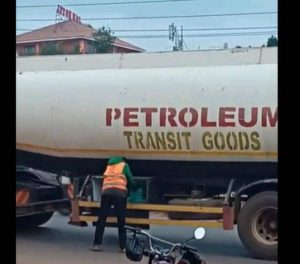
Vitol, UNOC now accused of failure to protect petroleum products from adulteration, siphoning
In the wake of accusations of supply of adulterated petroleum products, now Uganda National Oil Company and VITOL Energy Limited are being accused of failure to protect fuel trucks from siphoning. Recent videos and images circulating on various social media platforms show individuals siphoning fuel from moving trucks within the city, an act which analysts say could spark deadly disasters. This newspaper understands that Uganda has in the past witnessed deadly accidents where people who tried to siphon fuel were killed when the fuel caught fire. Hotspots for fuel siphoning include Busia, Jinja, and Banda as well as Northern Bypass and Namuwongo area. Kampala police spokesperson Patrick Onyango told this newspaper they were investigating cases of fuel siphoning in the said areas. He warned those involved of severe punishment once arrested. VITOL-UNOC deal Vitol Energy partnered with the Uganda National […]
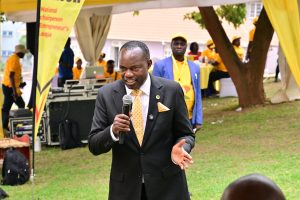
Why King Caesar Mulenga camp should go slow on shs1.8b entrepreneurship camp
KAMPALA: The ongoing National Resistance Movement (NRM) Entrepreneurs League elections have been marred by controversy, particularly surrounding claims made by the Ceasor Mulenga camp. According to sources, Mulenga's team has been spreading false information about injecting shs1.8b into the Entrepreneurs League SACCO. The Truth Behind the Claims A thorough investigation has revealed that these claims are entirely baseless. There is no evidence to suggest that Mulenga or his team has deposited any funds, let alone shs1.8 billion, into the SACCO. This lack of financial commitment raises serious questions about the credibility of Mulenga's campaign promises as he vies for the position of Chairman of the NRM Entrepreneurs League. Furthermore, when the Buganda and Kampala NRM SACCOs requested that Mulenga deposits funds into their accounts, he avoided doing so. According to Al Hajj Karim Karamagi, the contestant for CEC's Vice Chairman […]
Related
Why King Caesar Mulenga camp should go slow on shs1.8b entrepreneurship camp
KAMPALA: The ongoing National Resistance Movement (NRM) Entrepreneurs League elections have been marred by controversy, particularly surrounding claims made by the Ceasor Mulenga camp. According to sources, Mulenga's team has been spreading false information about injecting shs1.8b into the Entrepreneurs League SACCO. The Truth Behind the Claims A thorough investigation has revealed that these claims are entirely baseless. There is no evidence to suggest that Mulenga or his team has deposited any funds, let alone shs1.8 billion, into the SACCO. This lack of financial commitment raises serious questions about the credibility of Mulenga's campaign promises as he vies for the position of Chairman of the NRM Entrepreneurs League. Furthermore, when the Buganda and Kampala NRM SACCOs requested that Mulenga deposits funds into their accounts, he avoided doing so. According to Al Hajj Karim Karamagi, the contestant for CEC's Vice Chairman […]
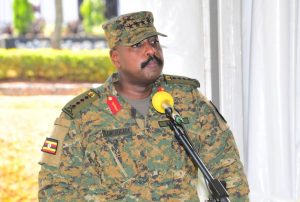
JUST IN: Muhoozi vows silence over Germany issues
KAMPALA: The Chief of Defence Forces (CDF) of the Uganda People's Defence Forces (UPDF), Gen Muhoozi Kainerugaba, has vowed to keep mute on issues concerning Germany. Muhoozi who has been so vocal and accusing the Germany Ambassador to Uganda, Mathias Schauer, of engaging subversive activities. Muhoozi posted on X Monday, "Out of respect for my great uncle, Afande Saleh, I shall not mention Germany or bazungu again. I want to apologize to Afande Saleh if I disobeyed him in anyway. Nisamehe Afande." A day earlier, the UPDF had published a statement, ending military cooperation with Germany. On X recently, the general threatened to behead opposition leader Robert Kyagulanyi, popularly known as Bobi Wine. Gen Kainerugaba also boasted about torturing Wine's bodyguard after detaining him. Rights groups have long accused the Ugandan government of targeting the opposition, especially in the run-up […]
Uganda’s Press Freedom Crumbles Amid Electoral Repression
By James Kabengwa Kampala, Uganda. As Kawempe North parliamentary by-election descended into chaos, Thursday, the arrests of two opposition lawmakers and multiple journalists—paired with a shocking military crackdown—have laid bare the escalating dangers faced by media workers. The decision by Nation Media Group Uganda to withdraw Daily Monitor and NTV Uganda journalists from covering the polls, citing targeted attacks by soldiers and plainclothes agents, underscores a grim reality: journalism has become a life-threatening act of defiance. Daniel Kalinaki, the Nation Media group’s General Manager, framed the withdrawal as a reluctant survival tactic in a message posted on X. “Our teams are being hunted, their equipment destroyed, and their lives endangered simply for documenting the truth,” he said. This retreat marks an ugly situation revealing how far the state will go to silence scrutiny during pivotal political moments. The Kawempe North […]
Art silenced by Power’s grip
Eddie Kenzo who was the darling of young people became the most hated and criticized musicians. He turned into an NRM advocate. He had for many years represented Uganda in international awards and had won many of them but ever since he sided with the dictator he lost all endorsements and has never been nominated anywhere.
Deadly toll of Anti LGBTQ+ hate
In my country Uganda there is intensified LGBTQ+ persecution with harsh anti-gay laws, that has sparked global outrage. Activists face violence, arrests, and discrimination, while international calls for human rights protections grow.
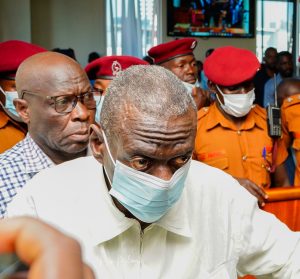
Disillusionment after “Cadre Judge” sends ailing Besigye back to Prison
Wine further criticized Judge Singiza for his handling of previous cases, including one prior to the exile of writer Kakwenza Rukirabashaija and his disapproval of corruption charges against Members of Parliament accused of misusing public funds.